

 Food Delivery App
 Grocery Delivery App
 Ride-Sharing App
 Home Services App
 Healthcare App
 Professional Services App
 Fitness App
 Pet Care App
 Beauty and Salon App
 Learning and Education App
 General Marketplaces
 Handmade or Vintage Goods
 Freelance Services
 Real Estate
 Fashion and Apparel
 Automotive
 Local Services
 Consultation App
 Social Media App
 Logistics
 Education
 Job Boards
 Cashback and Coupons
 OTT Applications
 Dating Applications
 Chat Applications
 Enterprise Resource Planning (ERP)
 Customer Relationship Management (CRM)
 Human Resource Management (HRM)
 Content Management System (CMS)
 E-commerce Platform
 Inventory Management
  UberEats
 DoorDash
 Grubhub
 Postmates
 Zomato
 Swiggy
 Deliveroo
 Instacart
 Amazon Fresh
 Zepto
Zepto BigBasket
 Blinkit
 Swiggy Instamart
 1mg
1mg PharmEasy
 Uber
Uber Lyft
Lyft Ola
Ola Grab
Grab UrbanClap
 Laundrapp
 Fitness App
 Dunzo
Dunzo Postmates
 Porter
 Custom App Development
 Cross-Platform App Development
 iOS App Development
 Android App Development
 App Store Optimization (ASO)
 Mobile App Maintenance
 Mobile App Designing
 MVP Development
 Custom Website Development
 E-commerce Website Development
 Responsive Web Design
 Website Maintenance
 Website Testing
 Landing Pages
 Admin Panels
 User Research
 Information Architecture
 Wireframing
 Prototyping
 Visual Design
 Interaction Design
 Accessibility Compliance
 Graphic Design
 Search Engine Marketing (SEM)
 Social Media Marketing
 Email Marketing
 Content Marketing
 Affiliate Marketing
 Analytics and Reporting
 Online Reputation Management
Introduction
The food delivery industry has seen exponential growth in recent years, fueled by the convenience it offers to customers. As a result, the demand for efficient and user-friendly food delivery applications has surged. If you're looking to build a food delivery app, understanding the food delivery app development process is essential. This guide will walk you through the entire app creation process, detailing each step to ensure your app's success.

Table of Contents
- 1. Market Research
- 2. Planning Features
- 3. UI/UX Design
- 4. Development
- 5. Testing
- 6. Launch
- 7. Marketing and Promotion
- FAQs
1. Market Research
The first step in the app development guide is conducting thorough market research. Understand your target audience, their preferences, and the competition. Analyze existing food delivery apps to identify gaps in the market and areas for improvement. This research will help you define your unique selling proposition (USP).
2. Planning Features
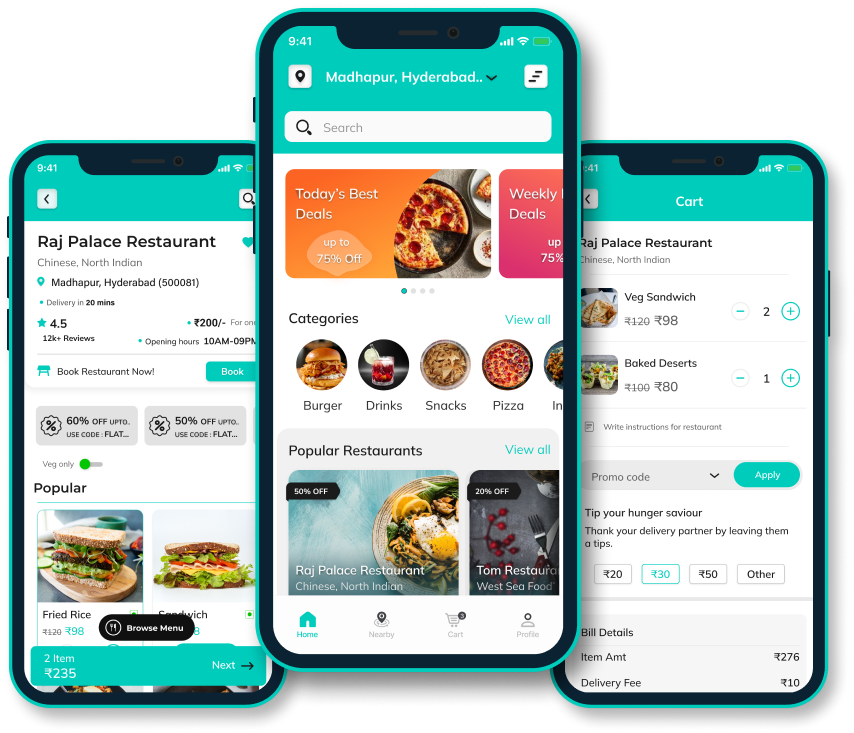
Once you have a clear understanding of the market, you can plan the features of your app. Common features include:
- User Registration and Profiles
- Restaurant Listings
- Menu Browsing
- Order Placement and Payment Integration
- Real-time Tracking
- Review and Rating System
Deciding on features early on will streamline your development process. For assistance in planning your app's features, consider reaching out to TechWebLabs, one of the best mobile app development companies in Hyderabad.
3. UI/UX Design
The design of your app plays a critical role in user engagement. Prioritize a clean, intuitive interface that enhances the user experience. Create wireframes and prototypes to visualize your app's flow. Incorporate feedback from potential users to refine your design.
4. Development
With your designs in hand, it's time to start the development process. Choose the right technology stack, whether native or cross-platform, based on your target audience and budget. Development typically involves backend programming, API integration, and frontend implementation. Collaborating with a trusted app development company in India, like TechWebLabs, can ensure your app is built to the highest standards.
5. Testing
Testing is crucial to ensure your app functions smoothly. Conduct various types of tests, including:
- Functional Testing
- Performance Testing
- Usability Testing
- Security Testing
Identify and fix any bugs or issues before launching your app to provide a seamless experience to your users.
6. Launch
Once testing is complete, you can launch your app on relevant platforms such as the App Store and Google Play. Create a launch plan that includes promotional strategies to attract initial users. Leverage social media, email marketing, and partnerships with local restaurants to boost your visibility.
7. Marketing and Promotion
Post-launch, continuous marketing is essential for growth. Focus on:
- Social Media Advertising
- Content Marketing
- Search Engine Optimization (SEO)
Employing these strategies will keep your app relevant and engaging to users. For ongoing marketing support, TechWebLabs can provide insights and strategies tailored to your app.
Pros and Cons
Pros
- High demand for food delivery services.
- Potential for recurring revenue through subscriptions.
- Ability to partner with various restaurants and brands.
Cons
- Strong competition in the market.
- Challenges in logistics and order fulfillment.
- Dependence on technology and internet accessibility.
FAQs
What is the cost of developing a food delivery app?
The cost varies based on features, complexity, and the development team. It's best to consult with an experienced app development company like TechWebLabs for a quote.
How long does it take to develop a food delivery app?
Typically, the development process can take anywhere from 3 to 6 months, depending on the features and design.
Can I integrate payment gateways into my app?
Yes, integrating secure payment gateways is essential for a food delivery app. Popular options include PayPal, Stripe, and Razorpay.
Is it necessary to have a web version of my food delivery app?
While a mobile app is essential, having a web version can enhance customer accessibility and reach.
Pros and Cons
Advantages
- High demand for food delivery services.
- Potential for recurring revenue through subscriptions.
- Ability to partner with various restaurants and brands.
Disadvantages
- Strong competition in the market.
- Challenges in logistics and order fulfillment.
- Dependence on technology and internet accessibility.
Conclusion
When it comes to mobile app development in Hyderabad, TechWebLabs stands out as the preferred partner for creating innovative and user-friendly food delivery apps. With over 6 years of experience, we have the expertise to guide you through every step of the food delivery app development process. Contact us today to discuss how we can help you build your dream app!