

 Food Delivery App
 Grocery Delivery App
 Ride-Sharing App
 Home Services App
 Healthcare App
 Professional Services App
 Fitness App
 Pet Care App
 Beauty and Salon App
 Learning and Education App
 General Marketplaces
 Handmade or Vintage Goods
 Freelance Services
 Real Estate
 Fashion and Apparel
 Automotive
 Local Services
 Consultation App
 Social Media App
 Logistics
 Education
 Job Boards
 Cashback and Coupons
 OTT Applications
 Dating Applications
 Chat Applications
 Enterprise Resource Planning (ERP)
 Customer Relationship Management (CRM)
 Human Resource Management (HRM)
 Content Management System (CMS)
 E-commerce Platform
 Inventory Management
  UberEats
 DoorDash
 Grubhub
 Postmates
 Zomato
 Swiggy
 Deliveroo
 Instacart
 Amazon Fresh
 Zepto
Zepto BigBasket
 Blinkit
 Swiggy Instamart
 1mg
1mg PharmEasy
 Uber
Uber Lyft
Lyft Ola
Ola Grab
Grab UrbanClap
 Laundrapp
 Fitness App
 Dunzo
Dunzo Postmates
 Porter
 Custom App Development
 Cross-Platform App Development
 iOS App Development
 Android App Development
 App Store Optimization (ASO)
 Mobile App Maintenance
 Mobile App Designing
 MVP Development
 Custom Website Development
 E-commerce Website Development
 Responsive Web Design
 Website Maintenance
 Website Testing
 Landing Pages
 Admin Panels
 User Research
 Information Architecture
 Wireframing
 Prototyping
 Visual Design
 Interaction Design
 Accessibility Compliance
 Graphic Design
 Search Engine Marketing (SEM)
 Social Media Marketing
 Email Marketing
 Content Marketing
 Affiliate Marketing
 Analytics and Reporting
 Online Reputation Management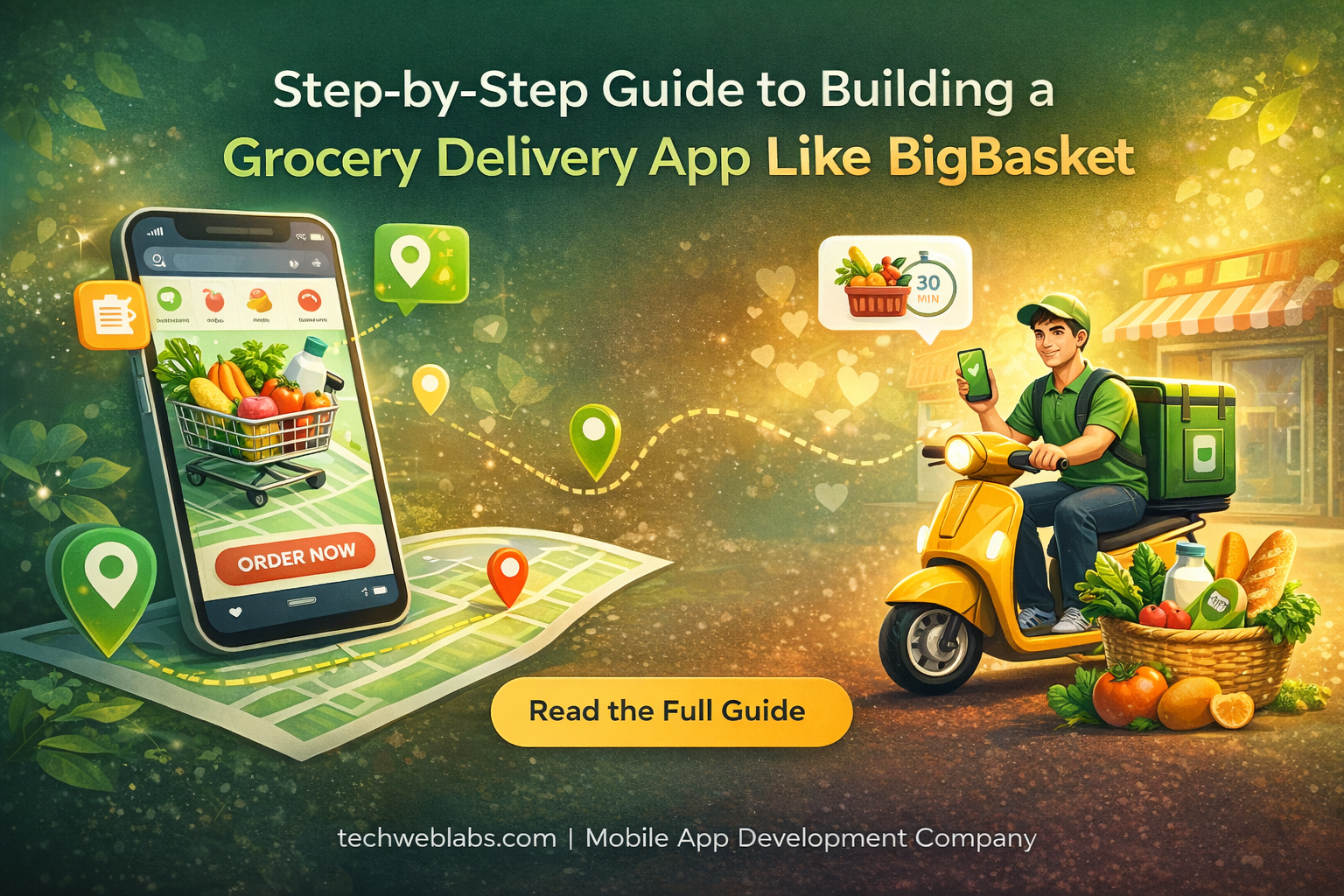
Introduction
The grocery delivery market is booming, with apps like BigBasket leading the charge. If you're looking to dive into this lucrative sector, understanding how to build a grocery app is crucial. This step-by-step guide will walk you through the entire process of developing a grocery delivery app similar to BigBasket, ensuring you cover all necessary aspects from concept to launch.
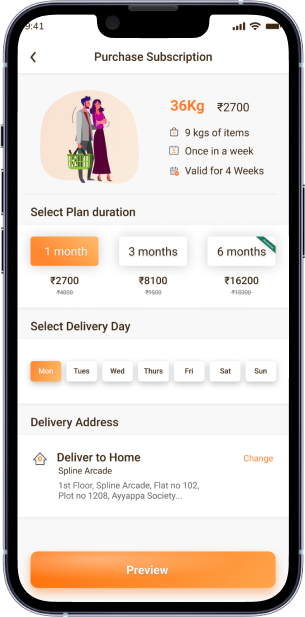
Table of Contents
- Market Analysis
- Key Features of a Grocery App
- Development Process
- Technology Stack
- Cost Estimation
- FAQ
- Conclusion
Market Analysis
The grocery delivery industry is projected to surpass $200 billion by 2025. The convenience of on-demand grocery delivery apps has transformed the shopping experience, making it essential for businesses to adapt. Key players like BigBasket have set a high standard, making it imperative for new entrants to offer competitive features and user experiences.
Key Features of a Grocery App
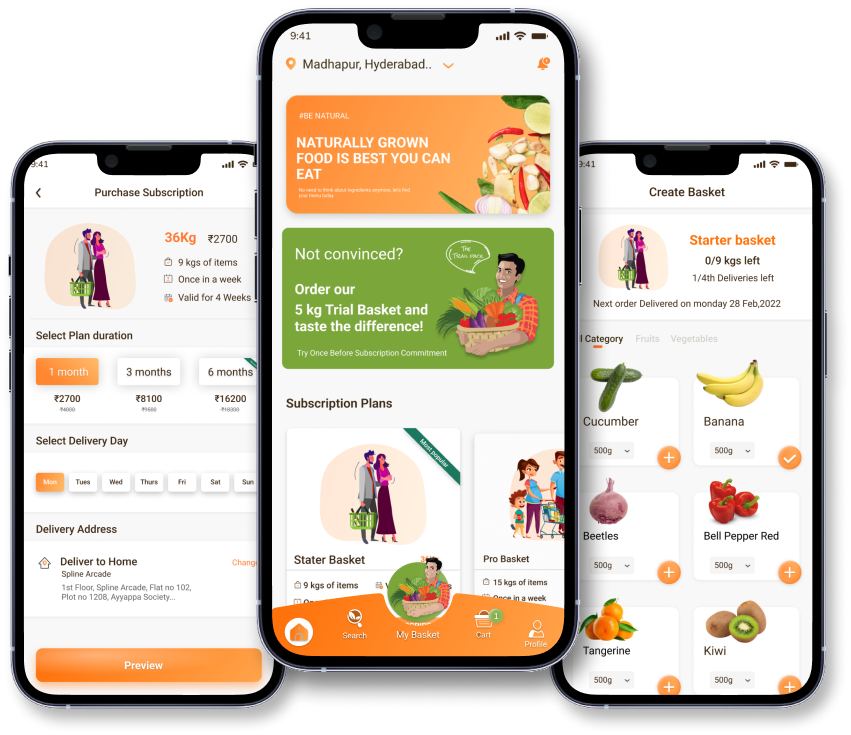
When embarking on grocery delivery app development, the first step is to identify key features that will enhance user experience:
1. User Registration and Profiles
Allow users to create accounts quickly and securely, enabling personalized shopping experiences.
2. Product Catalog
Display products with high-quality images, detailed descriptions, and prices. An intuitive navigation system is vital for ease of use.
3. Cart and Checkout Process
The cart should allow users to add, remove, and modify items with ease. A seamless checkout process is essential for maximizing conversions.
4. Delivery Tracking
Integrate real-time tracking so users can monitor their orders from the moment of purchase to delivery.
5. Payment Gateway Integration
Offer multiple payment options, including credit cards, digital wallets, and cash on delivery, to cater to a broader audience.
Development Process
Building a grocery app involves several critical steps:
1. Market Research
Identify your target audience, analyze competitors, and understand user preferences to shape your app's features and design.
2. Wireframing and Prototyping
Create wireframes to visualize the app's layout, followed by prototypes to test workflows and gather feedback.
3. Development
Utilize agile development methodologies for flexibility and iterative improvements. Choose between native, hybrid, or web app development based on your target audience.
4. Testing
Conduct rigorous testing at multiple stages to ensure the app is free of bugs and provides a seamless user experience.
5. Launch and Marketing
After testing, launch the app on platforms like the Play Store and App Store, followed by a marketing campaign to attract users.
Technology Stack
Choosing the right technology stack is crucial for the performance and scalability of your on-demand grocery app. Here are common technologies used:
- Frontend: React Native, Flutter, or Angular for cross-platform compatibility.
- Backend: Node.js, Express.js, or Django for robust server-side functionality.
- Database: MongoDB or MySQL for storing user data and product information.
- Payment Gateway: Stripe or PayPal for secure transactions.
Cost Estimation
The cost of developing a grocery delivery app can vary widely based on complexity, features, and the development team’s location. Here are some factors to consider:
- Development Team: Hiring experienced developers, especially from reputable firms like TechWebLabs, can affect costs significantly.
- Features: More complex features will increase development time and costs.
- Maintenance: Budget for ongoing maintenance and updates post-launch.
Pros and Cons
When considering BigBasket clone development, weigh the following pros and cons:
Pros
- Established market demand for grocery delivery.
- Potentially high ROI with the right features and marketing strategy.
- Ability to tap into a growing consumer base favoring convenience.
Cons
- High competition in the market.
- Significant initial investment required for app development and marketing.
- Challenges in logistics and supply chain management.
FAQ
Below are some common questions regarding grocery delivery app development:
- What is the average cost to build a grocery delivery app?
- The cost can vary widely, typically ranging from $20,000 to $150,000, depending on features and complexity.
- How long does it take to develop a grocery app?
- Development can take anywhere from 3 to 6 months, depending on the scope and resources allocated.
- What technologies are best for grocery app development?
- Technologies like React Native for frontend and Node.js for backend are popular choices.
- Can I get a custom grocery app developed?
- Yes, partnering with a reliable company like TechWebLabs will ensure you get a custom solution tailored to your needs.
Conclusion
Creating a grocery delivery app like BigBasket requires thorough planning and execution. By understanding the market, identifying key features, and choosing the right technology stack, you can successfully launch your app. At TechWebLabs, we specialize in custom app development, ensuring your grocery delivery app meets the highest standards of quality and user experience. Contact us today to turn your idea into a reality!
Pros and Cons
Advantages
- Established market demand for grocery delivery.
- Potentially high ROI with the right features and marketing strategy.
- Ability to tap into a growing consumer base favoring convenience.
Disadvantages
- High competition in the market.
- Significant initial investment required for app development and marketing.
- Challenges in logistics and supply chain management.